Lancaster City Water Conditioning & Treatment
Serving everyone on the City of Lancaster water system, not just city residents
City water reaches well beyond the city limits. The City of Lancaster water system serves about 120,000 people in Lancaster City, Millersville Borough, and East Hempfield, East Lampeter, Lancaster, Manheim, Manor, Pequea, West Hempfield, and West Lampeter townships.
If you get your water from the City of Lancaster, everything on this page applies to you, wherever you live.

PFOA in Lancaster City Water
PFOA is one of the PFAS “forever chemicals.” Pennsylvania limits PFOA in drinking water to 14 ng/L (parts per trillion), measured as a running annual average. Finished water from the City’s Conestoga Treatment Plant tested 16 ng/L on September 13, 2024, and the City has been issuing PFOA public notices since then.
Individual results go up and down. A July 2025 sample came in at 7.84 ng/L, for example. Compliance is based on the running annual average, though. In its August 2026 notice, the City reported a Conestoga result of 18.4 ng/L and a running annual average of 15.2 ng/L, which is above the state limit. Water from the City’s Susquehanna Treatment Plant is below the limit.
The City sends these notices to every customer on the system, inside and outside the city. It is evaluating new treatment at the Conestoga plant or a new water source but hasn’t announced a timeline. For the latest results, see the City’s PFAS & Drinking Water page.
Sources: City of Lancaster PFOA Notice (Aug. 2026), Tier 2 PFOA Notice (Aug. 2025) and 2025 Water Quality Report. Last checked October 1, 2026.
Common Problems With Lancaster City Water
Whether you live in the city or one of the surrounding townships, these are the issues we see most on City of Lancaster water.
Hard Water
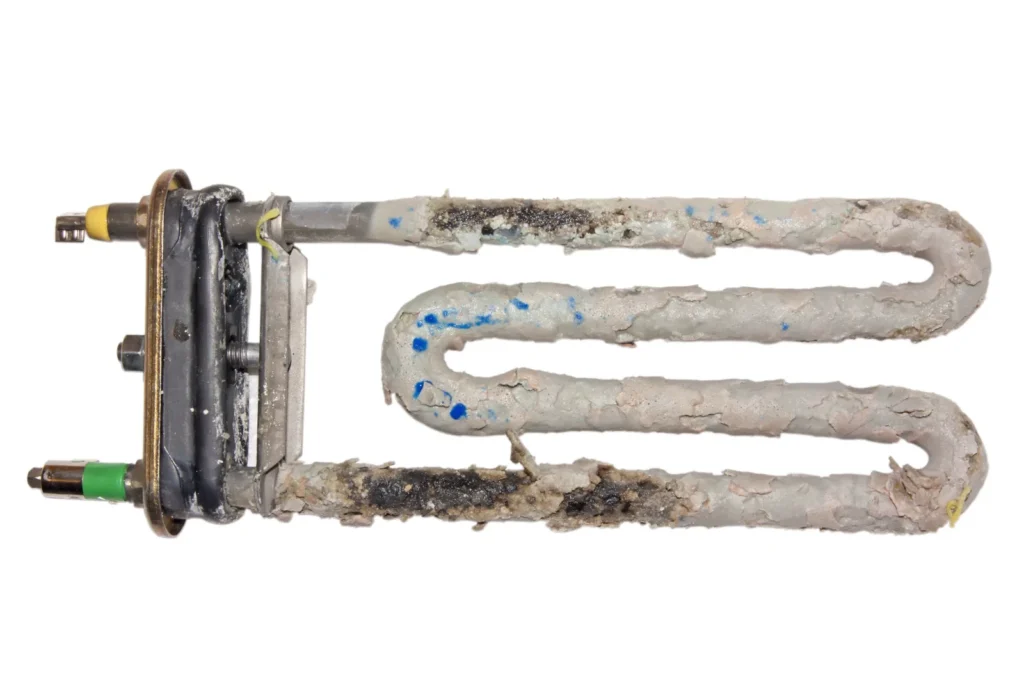
Public water can be just as hard as well water. The minerals aren’t a health threat, but they shorten the life of water heaters, leave white chalky spots and scale on faucets and fixtures, and make soap less effective.
Solution: Water softener
Chlorine Taste and Smell
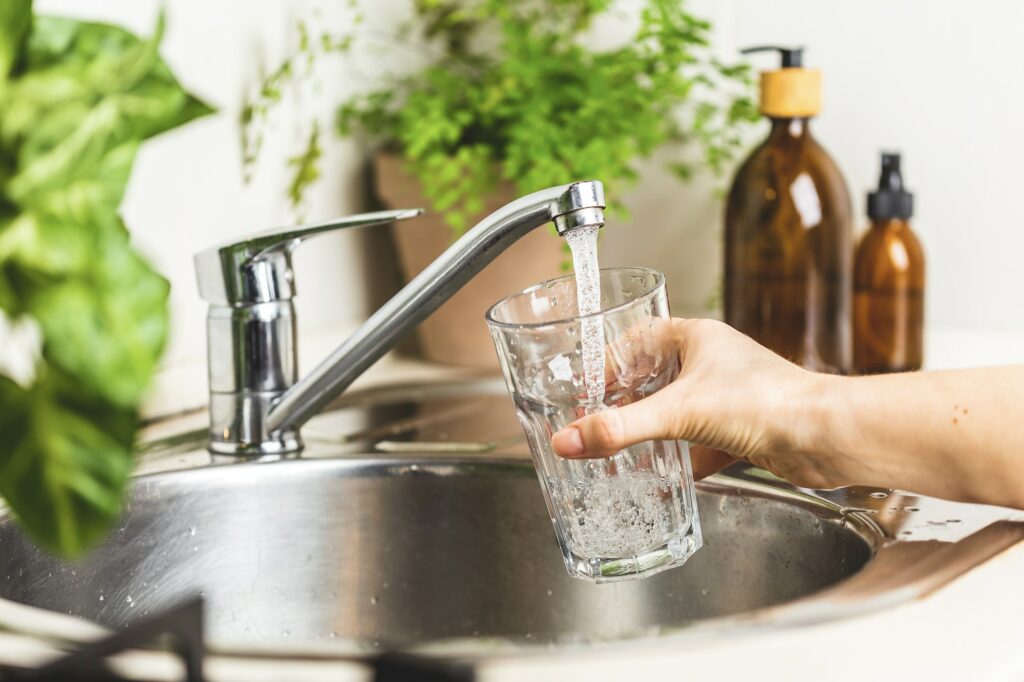
Chlorine keeps public water free of harmful bacteria, but it can leave a chemical taste or smell and react with other things in the water.
Solution: Activated carbon filtration
PFAS, Lead, and Other Contaminants
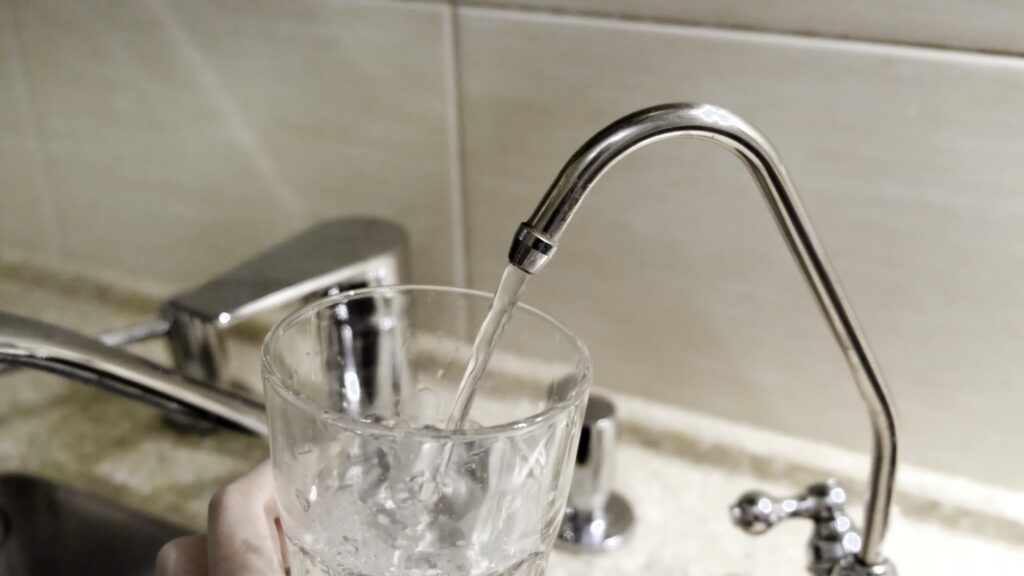
PFOA, lead from older plumbing, and other contaminants can’t be seen, smelled, or tasted. They only show up in testing. Reverse osmosis is one of the most effective ways to reduce PFAS and many other contaminants at the tap.
Solution: Reverse osmosis