Water – basic but yet so important. Whether it’s protecting your family’s health or protecting your plumbing and appliances, Myers Brothers is your partner in ensuring the most basic thing in your home is the best that it can be.

The first step to having great water is information. That’s why Myers Brothers offers a free water analysis to check for the following common issues:
- pH imbalance
- Iron
- Hard water
- Odor
- Dissolved solids (TDS)
We can also order a number of other specialized laboratory-based tests at the customer’s request. Contact us today to find out exactly what’s in your water.
What are some common problems with public water in Pennsylvania?
Hard Water
The rain that falls is often not neutral, but a weak acid. As it runs across minerals in the ground on the way to a well or reservoir, it dissolves some of them. This water with dissolved minerals is what we call “hard water”. The minerals are not considered a health threat, so they aren’t removed from public water sources – depending on the source, public water can be just as hard as well water.
But even though they are harmless to people, can wreak havoc on plumbing. Hard water will shorten the lifespan and ruin the efficiency of water heaters. The minerals will collect on faucets, leading to an unsightly appearance and possible leaky valves. In the washing machine, it can take up to 3 times as much soap to have the same cleaning power. In tubs and showers, hard water becomes soap scum, leading to extra cost and effort when cleaning.
Symptoms: white chalky spots and scales
Solution: water softener
At Myers Brothers, we eschew fancy, all-in-one equipment for simple effective solutions that are cost-effective and easy to maintain. We install two separate systems (a carbon filter plus a water softener), which allows for easier maintenance and less costly replacements if something breaks.

Disinfecting Chemicals
Chlorine and other disinfecting chemicals are important tools to keep public water supplies free from biological pathogens. But these chemicals still remain after water reaches your house and they are no longer needed. Not only do chlorine and other chemicals used to disinfect water taste terrible, but they also have the potential of causing allergic reactions or other long-term health issues.
Chlorine in the form of sodium hypochlorite is a powerful oxidizing chemical which can react with all sorts of things in the water, good and bad. Some of these by-products of chlorination are regulated carcinogens, which can only be removed through filtration.
Symptom: chemical smell or taste in water
Solution: activated carbon filtration
Although kitchen sink systems can be a help, Myers Brothers recommends whole house systems because of the importance of protecting you in the bath as well. If you wouldn’t want to drink it, you probably don’t want to breathe or soak it in through your skin as well. Filters with granulated activated carbon (GAC) can easily remove these chemicals and are highly recommended on all public water supplies.
Fluoride, Arsenic, and Other Heavy Metals
Loads of undesirable elements can find their way into your water, either through intentional action or neglect on the part of your water provider.
While fluoride has the positive benefit of helping to prevent tooth decay, excessive fluoride can cause skeletal fluorosis and other potential problems. Having this in your toothpaste is a good thing; having it in the water your drink isn’t.
Some water systems source their water from deep water wells and these systems can sometimes introduce arsenic or other water soluble metals. Arsenic can cause health problems like cancer and in large enough doses can even be fatal.
Lead and other metals that were used in plumbing applications in the past can enter the water system and pipes corrode or decay. Lead is known to cause neurological and developmental defects in children.
The most effective way to remove these contaminants is through a reverse osmosis filter.
Symptoms: discovered through testing
Solution: reverse osmosis filter
To prevent heavy metals from entering your drinking water, our expert water technicians can install a reverse osmosis filter. This filter uses a partially permeable membrane to remove impurities from water by applying pressure to the water on one side of the membrane, forcing the water molecules to pass through while leaving behind contaminants.

PFAS (“Forever Chemicals”)
PFAS are man-made chemicals used in non-stick cookware, stain-resistant fabrics, and firefighting foam. They don’t break down, so they build up in rivers, groundwater, and eventually the people who drink it. Treatment plants weren’t built to remove them, and the EPA has linked long-term exposure to some cancers and to immune, thyroid, and developmental effects.
Pennsylvania requires public water systems to test for PFOA and PFOS, two of the most common PFAS. Your annual water quality report will show what your provider has found. Reverse osmosis at the kitchen tap can reduce PFOA and PFOS by 90% or more. Learn more about PFAS removal.
What are some common problems with Well Water?

Issue: Bacteria
Depending on how much the ground filters your water before it enters the water table and how close you are to sources of contamination, your well water can contain traces of some very unsavory bacteria. Because many different strains of bacteria can potentially be present, the best method is to test for Coliform bacteria, a common indicator bacteria. If this is present, it’s a good indication that other bacteria are likely present in the water as well.
The most notorious of these coliform bacteria are the fecal coliforms such as e-coli. So if bacteria are found to be present in your well water, this is a very serious health threat. It indicates there is a source of contamination which has access to your well. Water-borne bacteria can cause diarrhea, stomach cramps, and vomiting, as well as more serious health threats such as Typhoid Fever and Cholera.
Fortunately, bacteria testing is quick and inexpensive but should be performed by a certified laboratory.
Symptom: confirmed through laboratory testing
Solution: UV filter
Water borne bacteria are easy to kill with the use of a UV filter. In addition, these filters purify your water without using any chemicals or introducing other unwanted substances. The water to be treated is passed through a chamber or housing that contains the UV lamp that emits ultraviolet light at a specific wavelength which kills any microorganisms.
We can also pair the UV filter with other pre or post-filters to remove other unwanted elements or things that can interfere with the effectiveness of the UV disinfection process.

Issue: Nitrates
Infants and pregnant women are at the highest risk when it comes to nitrates. In the case of babies, a specific bacterium in their stomach converts nitrates into nitrites during digestion. Nitrites then bind to red blood cells, hindering their ability to transport oxygen. This condition is known as methemoglobinemia or “Blue Baby Syndrome.”
Nitrates contaminate groundwater primarily due to excessive fertilizer use, unfiltered industrial emissions, and improper sewage treatment. They are tasteless in water and require laboratory testing to be detected accurately.
Symptom: confirmed through laboratory testing
Solution: reverse osmosis filter
RO filters are effective in removing nitrates from water because the membrane used in these filters has very small pores that can block the passage of nitrate molecules, along with many other contaminants. As a result, the filtered water collected from an RO system has significantly reduced nitrate levels.
Hard Water
The rain that falls is often not neutral, but a weak acid. As it runs across minerals in the ground on the way to a well or reservoir, it dissolves some of them. This water with dissolved minerals is what we call “hard water”. The minerals are not considered a health threat, so they aren’t removed from public water sources – depending on the source, public water can be just as hard as well water.
But even though these minerals are harmless to people, they can wreak havoc on plumbing. Hard water will shorten the lifespan and ruin the efficiency of water heaters. The minerals will collect on faucets, leading to an unsightly appearance and possible leaky valves. In the washing machine, it can take up to 3 times as much soap to have the same cleaning power. In tubs and showers, hard water becomes soap scum, leading to extra cost and effort when cleaning.
Symptoms: white chalky spots and scales
Solution: water softener
At Myers Brothers, we eschew fancy, all-in-one equipment for simple effective solutions that are cost-effective and easy to maintain. We install two separate systems (a carbon filter plus a water softener), which allows for easier maintenance and less costly replacements if something breaks.

Issue: Iron Water
Iron in well water is not a health threat, but can still cause various problems. One of the most noticeable problems is the staining of plumbing fixtures, sinks, toilets, and laundry. Iron can cause reddish-brown or yellowish stains on surfaces, making them appear unsightly and difficult to clean. High iron levels can give water a metallic taste and unpleasant odor. This can make the water unappealing for drinking, cooking, or even simply using for routine tasks like brushing teeth.
Iron can precipitate out of water and form sediment or sludge in pipes, fixtures, and appliances. Over time, this can lead to clogging or reduced water flow, affecting the efficiency of plumbing systems and causing maintenance issues. The effectiveness of water treatment systems such as water softeners, filters, and ion exchange systems is also lowered by iron. It can clog or foul these systems, reducing their efficiency in removing other contaminants.
Symptom: Rusty Orange Stains
At Myers Brothers, we recommend and install chemical-free iron breaker systems. These remove iron without relying on chemical additives or oxidizers by utilizing a combination of filtration and oxidation methods.

Issue: Acid Water
Acidic rainwater leaching minerals may be a problem, but the reverse is also true. If acidic rainwater does not encounter a mineral buffer on the way through the ground, it will remain acidic when it’s pumped out of your well and enters your plumbing system. This mildly acidic water is not a significant threat to people, but it can prove to be quite destructive to any mental components in your plumbing system or appliances.
Acidic water can corrode copper pipes, leaving green or bluish-green stains in sinks, tubs, and toilets. Eventually this corrosion can progress and eat through the pipe, causing pin-hole leaks or even more severe leaks.
Acidic water can also leach the lead out of old lead pipes in your home or even old brass fixtures made without lead-free brass.
Over time, acidic water will also damage and degrade any metal components found in appliances such as washing machines and dishwashers.
Symptom: blue-green stains in sinks, tubs, and toilets
Solution: acid neutralizer
Myers Brothers will perform specific testing to recommend the appropriate size and type of acid neutralizer system needed for your specific water conditions. The typical system introduces the water to a neutralizing media, commonly calcium carbonate (calcite) or magnesium oxide (magnesia), which reacts with the acid in the water. The water then passes through a control valve, which measures and adjusts the pH level to the desired range.

Issue: Hydrogen Sulfide
Hydrogen Sulfide is a gas which travels underground and smells like rotten eggs. Should it find an opening in your well, the smell is transported into your water and can be overwhelming when you turn on the tap. It will not only cause a disagreeable taste and odor to the water, but if concentrated enough, may cause nausea and illness.
Symptom:Rotten Egg Smell
Solution: oxidation and filtration
We recommend a healthy system which involves exposing the water to air, which helps oxidize the hydrogen sulfide, making it easier to remove. After oxidation, the water is passed through an activated carbon filtration system to capture the solid sulfur particles.
Issue: PFAS (“Forever Chemicals”)
PFAS are man-made chemicals that seep into groundwater from industrial sites, landfills, and firefighting foam. Unlike public water, private wells aren’t required to be tested for them, so many homeowners never know they’re there.
Symptom: None you can detect
PFAS have no taste, color, or odor. Testing is the only way to find them.
Solution: reverse osmosis
A reverse osmosis system at the kitchen tap reduces PFOA and PFOS by 90% or more, right where you drink and cook. Learn more about PFAS removal.
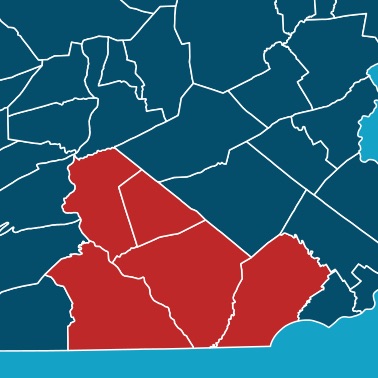
We Provide Well Water Treatment Systems in the Following Areas
Frequently Asked Questions about Well Water Treatment Systems
Is there a warranty on the water treatment system(s)?
There are warranties on the equipment. This will vary depending on the equipment installed.
How long does a water treatment system typically last before needing replacement?
Treatment systems can last up to 25+ years with proper maintenance.
What’s the advantage of having a professional install my water treatment system?
The biggest difference is the equipment. Many systems sold at big-box stores and online are built to be replaced, not repaired, and replacement parts can be hard or impossible to find. When something fails, you’re often buying a whole new unit. We install professional-grade equipment that’s designed to be serviced, using parts we can get, so your system can be maintained and repaired for years. Every system is also matched to your home’s water, based on your free water analysis.
Do I need a water softener in addition to other treatment methods?
Your water test results will help us determine if you need a water softener.
Will a water treatment system work with my existing plumbing?
Yes.
How often should I test my water?
Yearly if no treatment to correct issues has been installed.
What’s the difference between water conditioning and water treatment?
Water conditioning takes water that’s technically safe to drink and improves its quality. Water from municipal sources (often called “city water”) is treated and tested by the water utility before it reaches your tap. Conditioning deals with what’s left: things like disinfection chemicals, hardness minerals, or iron. These affect taste and odor, and removing them can also make the water better for you.
Water treatment takes untreated water (generally from a well) and makes it “potable,” or safe to drink. A private well isn’t treated or tested by anyone except the homeowner. Well water may need treatment to remove contaminants like bacteria or PFAS before it’s potable. Many water treatment systems also do water conditioning.
A free water analysis is the first step in finding out about your needs.
Are there any regulations or standards that my water treatment system needs to meet?
The requirements apply to your water, not the equipment, and they depend on where your water comes from. City water is regulated and tested by the water utility, so a conditioning system on city water is about making drinkable water better quality, not about meeting a standard.
Private wells are different. Requirements vary from county to county, and some counties are much stricter than others. Buying or selling a home can add more: some mortgages, including FHA and VA loans, require the water to pass testing before the sale can close. Our technicians have expertise in local requirements and can tell you what applies to your home.
For more on how the two differ, see “What’s the difference between water conditioning and water treatment?”
What are the health risks associated with untreated water, and how does treatment mitigate these risks?
The health risks will entirely depend on the type and amount of contaminants that are present in your water. The best way to learn more about the health of your water is to contact us for a consultation.
How much does it cost to install and maintain a water treatment system?
We offer several water treatment systems at a range of prices. To find out which system is best for your home, contact us for a consultation.
What kind of maintenance is required for water treatment systems?
Maintenance depends on the type of system that has been installed, and can include services such as inspections, control checks, cleaning, and replacing filters or parts.
How effective are these treatment methods in removing contaminants?
Our water treatment methods are extremely effective at removing contaminants.
What are the different methods of water treatment available?
Filtration, softening, injection, and disinfection.